
Outdoor Hotel Furniture: Durability and Maintenance Guide
A practical, measurable guide to outdoor hotel furniture: powder coating, UV and moisture resistance, seasonal storage and maintenance for aluminum and wood.
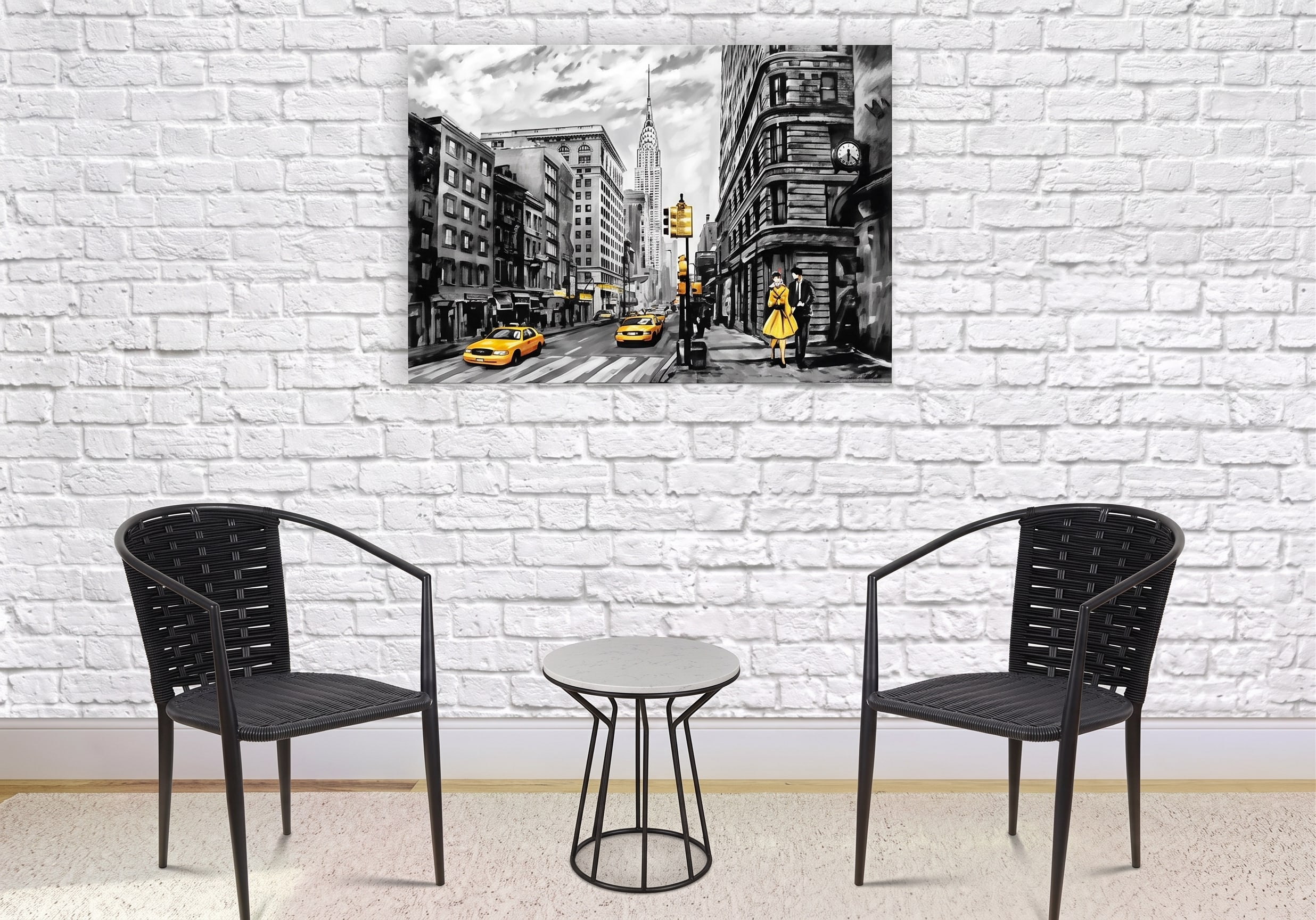
Outdoor hotel furniture cannot be judged by the same standards as indoor pieces. While a lobby armchair stays in the same conditions for years, a set on a terrace or by the pool faces temperature swings of 30-40 degrees within a single day, direct UV, salty air and sudden rain. In this article we cover material selection, surface protection and seasonal maintenance with concrete figures, in a way that is useful for both purchasing teams and venue operators.
Choosing materials for outdoor hotel furniture: aluminum or wood?
The two most common frame materials for outdoor use are aluminum and hardwood. Both are long-lasting when used correctly, but they have different maintenance profiles.
Aluminum is considered the workhorse of outdoor use:
- It resists corrosion; unlike iron or steel it does not rust, instead forming a protective oxide layer on the surface.
- It is lightweight: a typical aluminum garden chair weighs between 3.5 and 5 kg, which speeds up the staff’s daily setup and teardown.
- It is dimensionally stable; it does not swell or crack as it absorbs moisture.
Hardwood (teak, iroko, acacia) brings a warm, natural look. Species with high natural oil content are more water-resistant, but they require annual oiling or an accepted silver-grey patina. If a wooden chair is preferred for a restaurant terrace or boutique hotel concept, the maintenance plan must be factored into the budget.
Aluminum is generally preferred for high-traffic pool and beach areas, while wood makes sense on breakfast terraces where movement is low and aesthetics take priority. For tables moved outdoors during banquet events, folding banquet table solutions are a separate category in terms of storage convenience.
Powder coating: why protection starts at the surface
The durability of an aluminum frame depends largely on its surface coating. The decisive process here is electrostatic powder coating.
In powder coating, the paint in powder form is electrically charged and sprayed onto the grounded metal surface, then cured by baking at around 180-200 °C. The result:
- A much thicker and more uniform film forms compared to wet paint (typically 60-80 microns).
- Scratch and impact resistance increases; it tolerates daily stacking knocks better.
- The paint reaches enclosed geometries (inside tubes, weld points) more evenly.
The clear questions to ask during procurement:
- Is surface preparation done before painting? A chromating or nano-ceramic pre-treatment significantly improves the paint’s adhesion to the metal and its corrosion resistance.
- Is the paint outdoor-grade (polyester/polyurethane-based, UV-stabilized)? Indoor epoxy paints go matte and chalky outdoors within 1-2 seasons.
Whether the frame is welded or bolted also matters; with continuously welded joints the paint is uninterrupted, so there are fewer points for moisture to enter.
UV and moisture resistance: which details make the difference
Sun and moisture wear down outdoor furniture from two separate fronts. UV breaks down the color pigments in plastic, fabric and paint. Moisture, meanwhile, seeps in through joints and starts corrosion and mold.
The details that determine durability in practice:
- Textile and woven surfaces: Solution-dyed acrylic fabrics resist fading far longer than surface-dyed ones, because the pigment is worked into the entire fiber. Certified products are expected to show UV test values of 1000+ hours.
- Water drainage: Water should not pool on seating surfaces and tabletops; perforated surfaces or a slight slope shorten the drying time after rain.
- Foot caps: Plastic foot caps cut off the moisture and electrolytic corrosion that the metal frame is likely to retain from contact with the ground; worn ones should be replaced at the start of the season.
- Glass and ceramic tops: Tempered glass tabletops are resistant to thermal shock, but products without edge protection carry an impact risk.
At seaside facilities the salt load is an extra factor; in these areas rinsing all metal parts regularly with fresh water significantly extends corrosion life. Among the broad range of outdoor and garden furniture options, clarifying the material and coating choice according to location is the soundest approach.
Seasonal storage: closing up correctly at the end of the season
In most regions of Turkey, outdoor furniture sits idle during the winter months. Managing this period correctly can make a difference of years in a product’s lifespan.
End-of-season closing steps:
- Cleaning: Wash all surfaces with warm water and a neutral (pH-balanced) detergent; abrasive or chlorine-based cleaners damage the paint.
- Full drying: Make sure the furniture is completely dry before closing it up; damp stacking is the main cause of mold and stains.
- Separating cushions: Textile cushions and pads should be stored indoors, away from moisture, in a well-ventilated place.
- Stacking: On stackable chairs, place felt or cardboard in between to prevent the paint surface from being scratched by friction.
- Covers: If covers are used, prefer breathable, water-repellent ones; impermeable nylon leads to condensation and sweating inside.
If the storage area is kept dry on pallets/racks rather than directly on the floor, the furniture will get through winter much better. Folding tables provide a volume advantage at this point.
Annual maintenance schedule and practical tips
Regular but light maintenance is always cheaper than rare and demanding maintenance. The recommended rhythm:
- Weekly (in season): Remove surface dust and organic residue (leaves, food); check spots where water collects.
- Monthly: Check bolts and connections and tighten any that have loosened; a wobbly leg means both a safety risk and accelerated wear.
- Start/end of season: Cover paint scratches with touch-up paint; if bare metal is exposed, corrosion will start from that point. Oiling of wood is done in this period.
An additional note for venue and banquet businesses: on products frequently moved between outdoors and indoors, the wheels, hinges and folding mechanisms are the parts that wear out most; spare-part availability should be a purchasing criterion. When hotel and banquet equipment is sourced from a single supplier across the whole hotel, both color/design consistency and spare-part management become easier. To see implemented solutions, you can review our references.
For outdoor hotel furniture suited to your needs, you can get in touch with us via the quote list by sharing the dimensions, quantities and site conditions.