
Wedding Chair Selection: A Venue Operator's Guide
Choosing wedding and banquet hall chairs: concept fit, comfort dimensions, cover and bow matching, stacking and durability tips for venue operators.
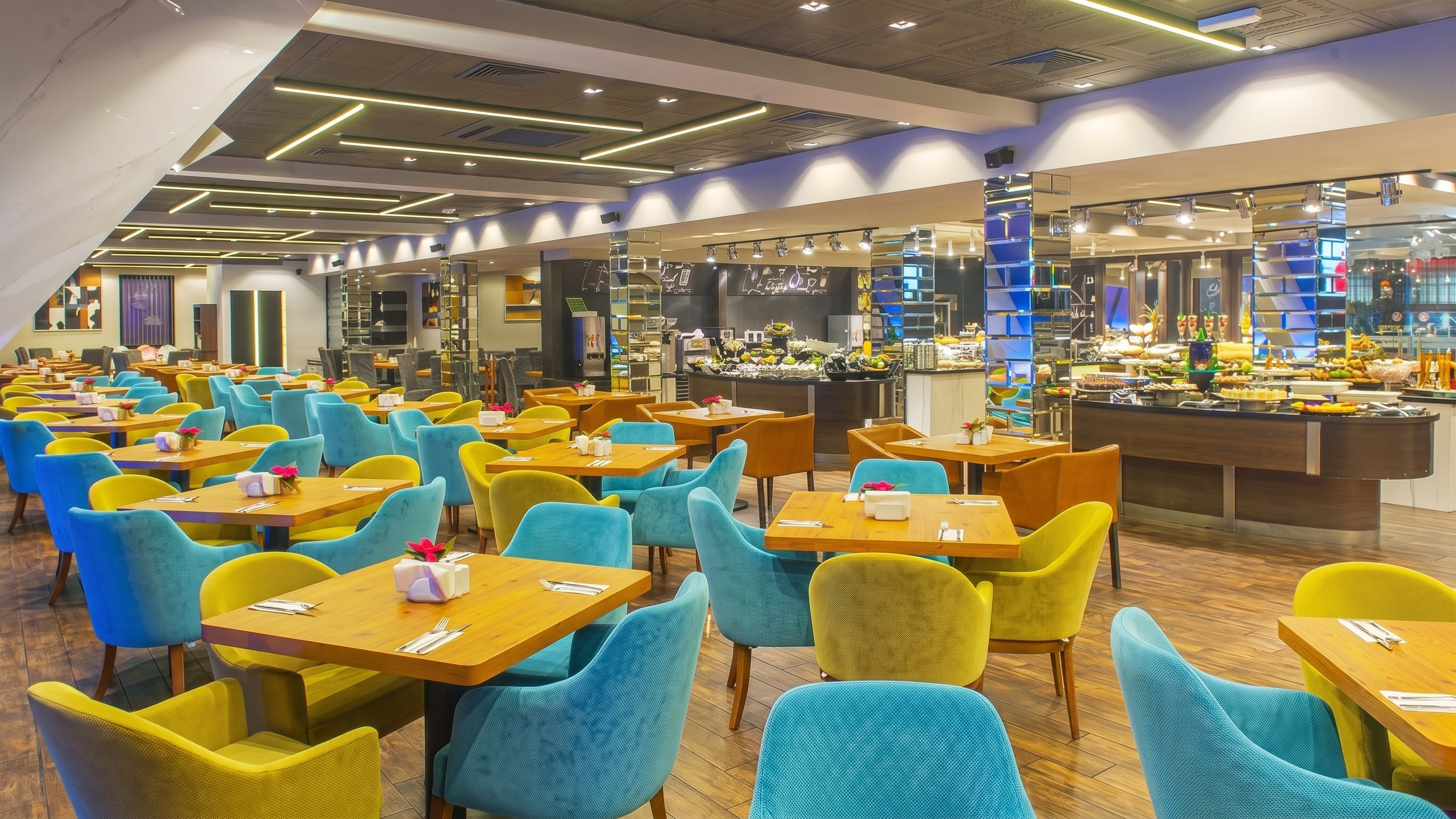
Balancing Concept and Aesthetics in Wedding Chair Selection
The venue’s concept directly dictates the chair choice. In a classic ballroom, chairs with gold or silver gilded frames and quilted seats fit the setting; in a modern, understated space, slim-profile chairs in matte black, champagne, or brass tones look more coherent. Keep two points clear when deciding:
- Colour palette: A neutral body colour (champagne, cream, anthracite) that does not clash with the wall, curtains, and tablecloths, and that also allows cover changes, is more flexible in the long run.
- Frame profile: Chiavari (tiffany) style slim-profile chairs look light and elegant in photographs; banquet/hilton type models with padded seats give a more formal and solid feel.
If you want a single venue to serve two different concepts, choosing a model with a neutral body colour and managing the aesthetics through covers and bows is far more economical than buying new chairs every season.
Comfort: The Guest Will Be Seated 4-5 Hours
A wedding or reception is a seated experience that lasts an average of 4 to 5 hours. A chair that looks beautiful in the showroom but becomes uncomfortable within 30 minutes harms the venue’s guest satisfaction. Evaluate comfort with concrete measurements:
- Seat height: Stick to the 45-47 cm floor standard. Models above 50 cm leave shorter guests’ feet dangling.
- Seat depth: The 40-43 cm range supports most body types.
- Seat padding: At least 4-5 cm of high-density foam (40-45 density) delays sagging during long sittings. Thin padding gets crushed in the first season.
- Backrest angle: A slightly reclined backrest (about 100-105 degrees) is noticeably more comfortable than an upright 90-degree back.
Models with padded seats and backs, such as the banquet hilton chair, are clearly ahead in comfort for long reception use. When requesting a sample, always sit in it for 10-15 minutes to test it; visual assessment is misleading.
Cover and Bow Matching: One Chair, Many Looks
For a venue operator, the most profitable approach is being able to dress a single chair body in different themes. For this, the chair needs to have a cover-compatible geometry:
- The top of the backrest should be flat or slightly curved; overly carved crests do not fit standard stretch covers.
- Stretch (Lycra) covers sit wrinkle-free on banquet-type flat backrests; on the Chiavari profile, a bow or ribbon alone is usually preferred over a cover.
- Stocking at least 3-4 different cover colours (white, champagne, burgundy, anthracite) and 2-3 bows for one body lets you create dozens of concepts from a single model.
A practical calculation: in a 300-guest venue, 300 stretch covers plus 300 satin bows are, in most cases, a small fraction of the cost of a new chair set and make seasonal theme changes possible. When choosing a chair, ask the supplier from the start: “Can I find covers for this model, and in what size?”
Stacking and Storage: Square Metres Mean Money
Reception venues have limited space, and the same room hosts more than one event per week. Stackable chairs are a direct operational gain here:
- Stack height: A well-designed banquet chair does not exceed about 1.5-1.7 metres in a stack of 10; this means one person can safely carry and arrange them.
- Stack footprint: The smaller the gap between stacked chairs, the more chairs you store along the same wall. The base area of a stack of 10 should be almost the same as that of a single chair.
- Transport trolley: Moving 20-25 chairs at once with a stacking trolley dramatically shortens setup time and reduces strain on staff backs.
The same logic applies to tables: for setup and teardown speed, folding banquet tables should be planned together with the chairs, and the storage layout should be solved by considering the two together.
Durability and Total Cost
A wedding chair goes through hundreds of setup-teardown cycles per year. The decision should be driven not by unit price but by lifetime cost per chair:
- Frame: An electrostatically powder-coated steel or aluminium frame resists rust outdoors and in damp environments. Weld points should be clean.
- Load capacity: Prefer models that carry at least 150 kg static load; cheap imported models loosen at the joints.
- Foot caps: Replaceable plastic caps are important so they do not scratch parquet and ceramic floors and can be renewed as they wear.
- Warranty and spare parts: A frame warranty and the ability to find the same cover/part years later preserve the integrity of the set.
If you organise open-air weddings and garden ceremonies, rather than carrying the hall chair outside, it is wiser to plan a separate UV- and moisture-resistant set from the outdoor garden furniture category.
Quick Decision Checklist for Venue Operators
Check the following during the sample and quote stage:
- Is the seat height 45-47 cm and the padding at least 4-5 cm of high density?
- Is a stack of 10 at a height one person can carry?
- Does the backrest geometry fit a standard stretch cover, and is cover supply continuous?
- Does the frame carry at least 150 kg, and are the paint quality and foot caps adequate?
- Will you be able to top up the same model in 2-3 years?
If you get a clear “yes” to these five questions, the model you choose will protect both guest comfort and the venue’s economics.
For the right wedding chair and table combination to suit your venue’s capacity and concept, share your dimensions and quantities to create a quote list.